Substantive Post 1: Theories of Multimedia Learning
Initial Thoughts
Learning about ways we learn and their limiting factors has been quite insightful as a student. I have yet to learn how to design lessons in a productive and digestible fashion even though it is a task that is often expected of me. Although I have used some of the cognitive theories before in presentations, like contiguity and signalling, I did not fully understand why they were effective. It became apparent that I was familiar with extraneous cognitive load since I was often concerned about how the audience would digest the information presented. Previously, to reduce cognitive load, I would utilize ways to reduce redundancy and signal what was important and relevant to the material.
I found the dual coding theory to be quite surprising and intriguing and wondered why it isn’t as common as the different learning styles. Throughout my years as a student, I have come to know myself as a visual learner, but this theory has me questioning my textual learning abilities and if I could strengthen them using dual coding.
Previous Experiences with Multimedia Applications
Reflecting and looking back on some of the projects I have created during my time in university, there is a clear shift to when I began focusing on how my audience (professors and other students) would perceive and receive the information I was presenting to them.
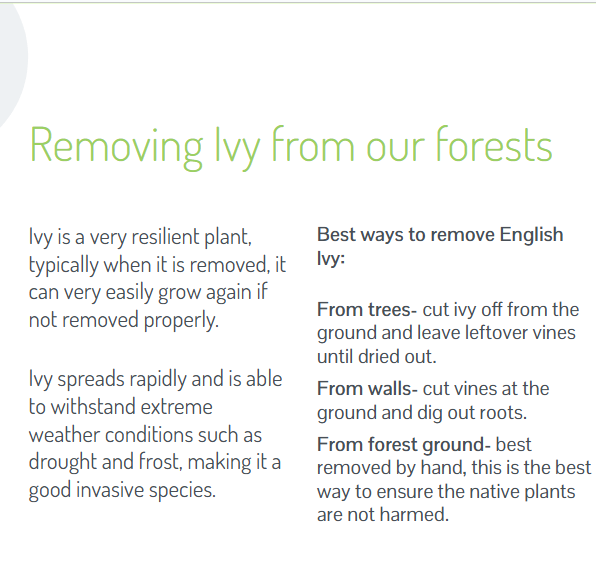
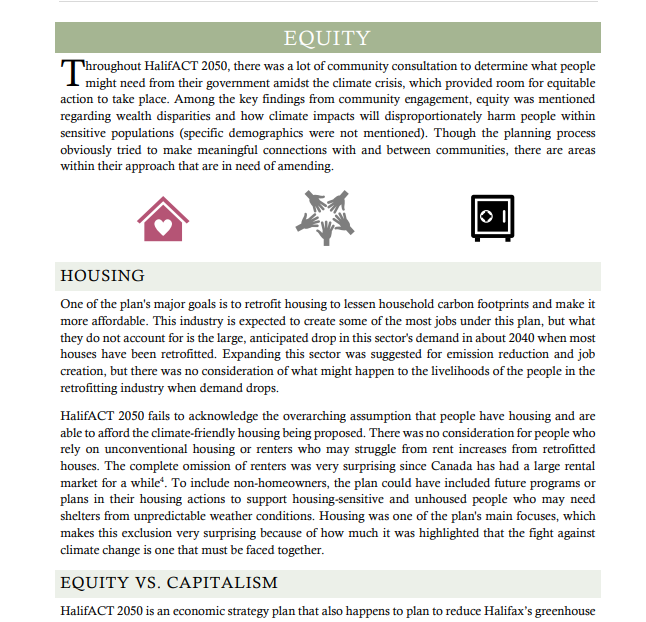
In my first year, I was only concerned about information quantity, which led to slides full of text while I read off them, making for a lot of redundancy. I have chosen an example from a presentation on English ivy I did in my first year (see figure 1). There were efforts of signalling through the use of headings and highlighting, but the information on the slide would have then been read out loud, which added extraneous load for my peers and teaching assistant. After years as a presenter and an audience member, my presentation style has changed drastically. Upon reflection, I realized I have used redundancy, signalling, coherence, and contiguity principles in academic papers and presentations intuitively with the aim of keeping my audience engaged. Acknowledging that I have utilized these principles previously has helped my understanding as to why these tools are useful in multimedia design.
Multimedia & Social Media
The most prominent way I have used and interacted with multimedia has been through social media. Growing up being online, I have witnessed how social apps have changed over time to be more interactive so you spend more time online. I’d like to use Pinterest as an example for social media’s ability to use text and visuals to engage their audience. When I began using the site, it was just used for sharing pictures that you could link to a website, usually a blog or recipe book. Pinterest added the ability to add a heading and caption so people could describe their image or promote some sort of project. After this change, I have found myself interacting with posts much more to understand what is going on in the image (see figure 3). This is a prime example of how a little amount of text can support knowledge surrounding an image.

Figure 3: Pinterest post highlighting multimedia within social media.
Future Applications
Richard Mayer’s Cognitive Theory of Multimedia Learning can be applied in many circumstances, not only for designing lessons but also for designing any sort of media that has a known target audience. One thing I will be taking away from Mayer’s theories is how to determine which form of media is best suited for what I wish to present. That is, for an oral presentation, I will make sure to only provide necessary text on a slideshow to not overload the audience and to utilize the pre-training principle by outlining foundational information in the beginning with imagery to complement the narration.