Substantive Post 2: Models of Active Learning
Active learning is known for its ability to help students understand particular topics compared to other passive learning modes such as lectures, reading, and watching videos. For students to be willing to participate in active learning, there must be preexisting motivation, which active learning strategies aren’t really prioritized prior to the activity. Motivation could be uplifted before students partake in an active learning initiative by prefacing the activity in such a way as to get them engaged and motivated to connect with the material actively. I’d like to suggest the use of storytelling to further students’ engagement since stories are quite powerful at forming connections and allowing for accurate memory recall that could supplement the active learning activity.
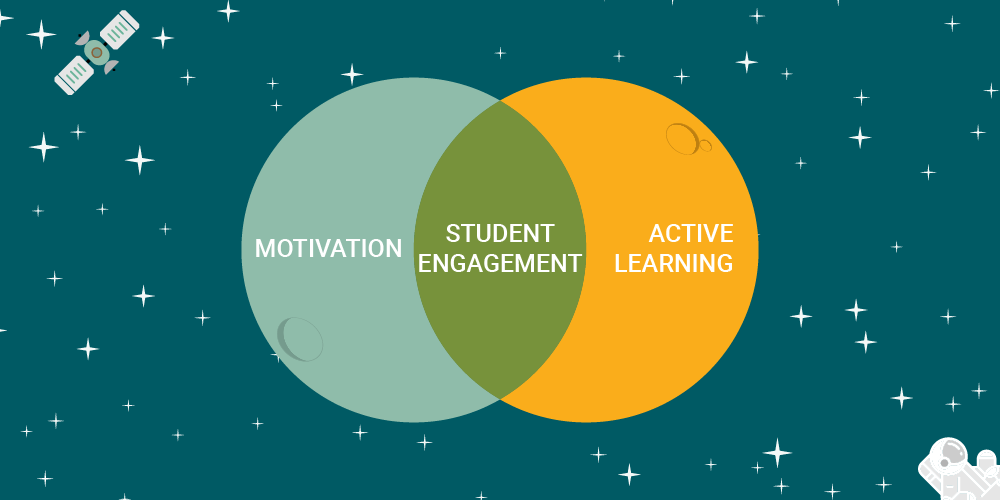
From: Active Learning: definitions, strategies and benefits
Storytelling
Most memories I carry with me exist in the form of stories, from folklore about mythical creatures I read about as a child to small anecdotal contributions to long-winded university lectures. As Glonek and King (2014) explain, stories tend to follow narratives in an episodic fashion that makes memory recall more vivid and accurate. After reviewing this article, I took the time to reflect on stories that others have shared with me and started to recognize that the most meaningful ones carry significant amounts of emotional weight. Most came from family members and their encouraging stories about following your heart. Throughout my journey of respecting that advice, I have encountered many inspiring people who love to share stories of their own endeavours, many of which have accumulated in my ‘story repertoire.’
Experiences with Active Learning
Throughout grade school I had little to no active learning implemented, that I can recall. Much of my experience with learning looked very similar to Gonzalez’s children’s’ did in her stories recounted in her article Students Need to DO Something. That being, I was told how to do something by my teacher or a YouTube video then was expected to be able to recall the information for a worksheet or a test. It wasn’t until university that I was able to engage in active learning in a meaningful way, though I hadn’t been exposed to this form of learning so I found it quite annoying at first.
Peter Reuell in Lessons in Learning highlights that when students first come in contact with active learning initiatives, they tend to find the experience frustrating. Though, in Active Learning Overview, Janet Rankin mentions how she would use active learning lessons and then would elaborate afterwards on how the lesson differs from passive lessons. Providing reasoning to a lesson strategy after a commonly confusing and frustrating learning design would most likely help with students’ willingness to participate.
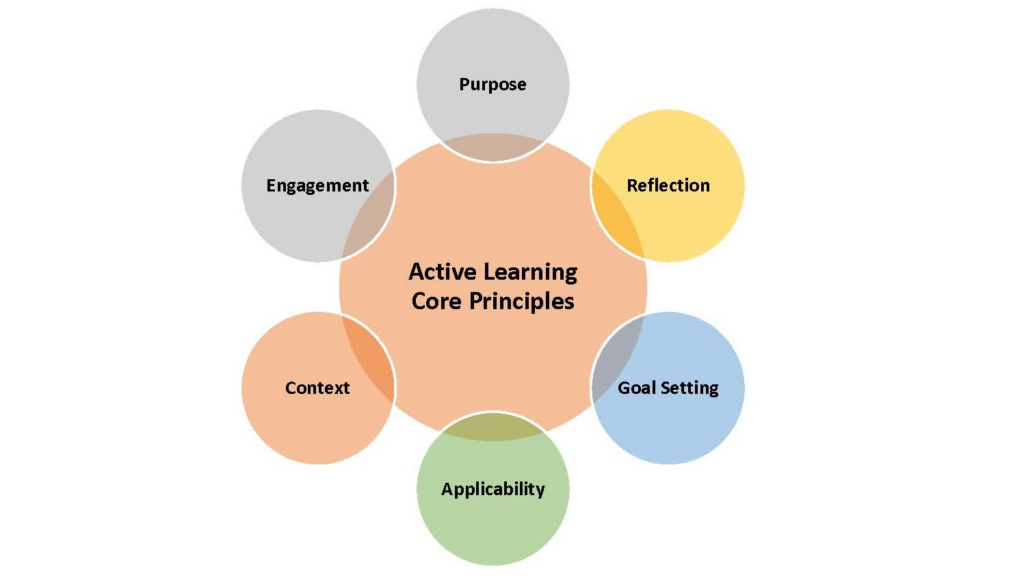
From: Online Learning
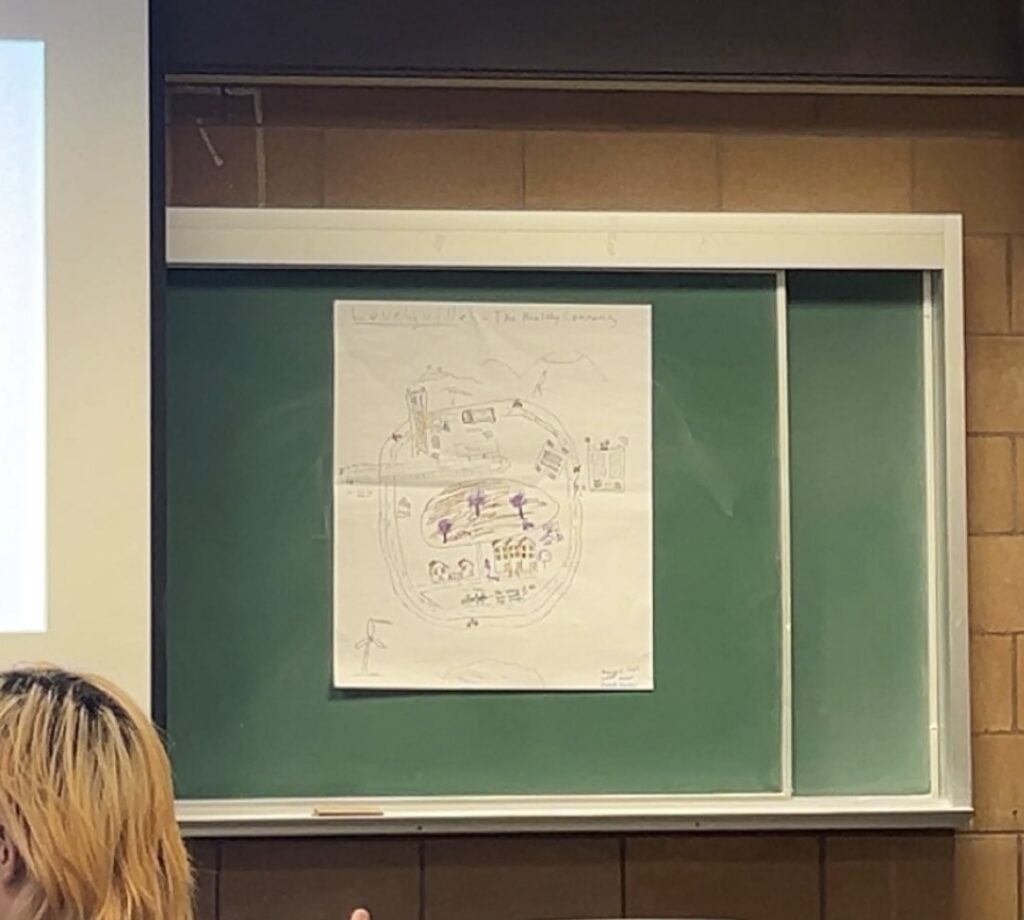
The most recent example of active learning I took part in was for a cities and planning course I took at UVic last semester. We were asked to draw our ideal city; this was before we learned anything in the course, so I was feeling quite incompetent. I felt this way because I didn’t understand why we were taking part in the exercise. If the professor had told us we were doing this to see how much we knew about cities and planning, then the drawing would have ended up much different. See below for a picture of the final product:
All this to say, active learning deserves it’s place in classrooms. If students were let in on the benefits of this way of learning, willingness to participate would increase and frustration would decrease. By approaching it this way, teachers should utilize narrative storytelling either before or during active learnings to raise engagement and understanding.
References
Apprendoo. (2026). Active Learning: definition, strategies and benefits. Digital Learning E-Learning. Apprendoo.com. https://www.apprendoo.com/en/active-learning-definition-strategies-and-benefits/
Glonek, K. L., & King, P. E. (2014). Listening to Narratives: An Experimental Examination of Storytelling in the Classroom. International Journal of Listening, 28(1), 32–46. https://doi.org/10.1080/10904018.2014.861302
Gonzalez, J. (2024). To learn, students need to DO something. Cult of Pedagogy. https://www.cultofpedagogy.com/do-something/
Merrill’s first principles of instruction. (2019). James Greenwood. https://james-greenwood.com/instructional-design/toolkit/merrill/
MIT OpenCourseWare. (2017). Active Learning Overview [Video]. YouTube. https://www.youtube.com/watch?v=zoa2pKYp_fk
Reuell, P. (2024). Lessons in learning. Harvard Gazette. https://news.harvard.edu/gazette/story/2019/09/study-shows-that-students-learn-more-when-taking-part-in-classrooms-that-employ-active-learning-strategies/
Online Learning. (n.d.). Innovative Online Learning Solutions & NIT New Internet Technologies Ltd. What is Active Learning? https://en.online-learning.bg/what-is-active-learning